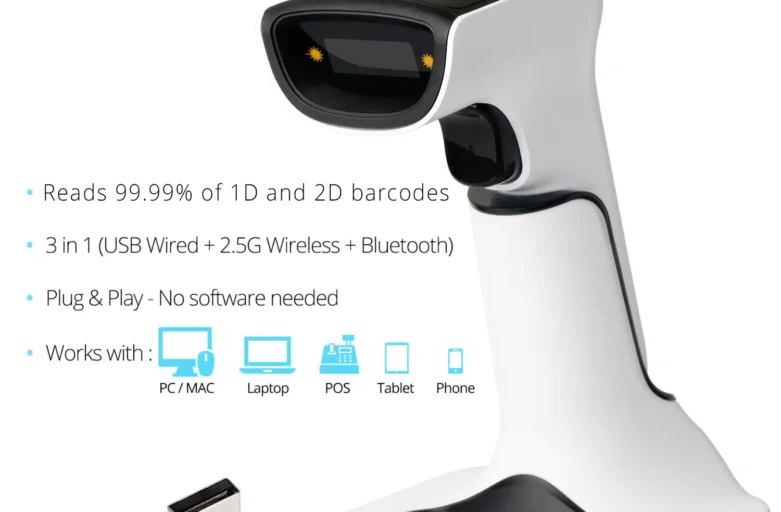
Maximizing ROI How to Integrate Barcode Scanners into Your Supply Chain

Maximizing ROI How to Integrate Barcode Scanners into Your Supply Chain

In today’s fast-paced business landscape, optimizing efficiency and minimizing operational costs are key priorities for organizations across various industries. One technology that has proven instrumental in achieving these goals is barcode scanning. By integrating barcode scanners into your supply chain processes, you can streamline operations, improve accuracy, and ultimately maximize return on investment (ROI). In this comprehensive guide, we’ll explore the benefits of integrating barcode scanners into your supply chain and provide practical tips on how to do so effectively.

Understanding the Role of Barcode Scanners in the Supply Chain:

Barcode scanners play a critical role in the modern supply chain by enabling accurate and efficient tracking of inventory, assets, and shipments. They facilitate real-time data capture, which is essential for inventory management, order fulfillment, and logistics operations. By scanning barcodes attached to products, packages, and storage locations, businesses can:

  • Improve inventory accuracy
  • Enhance visibility and traceability
  • Expedite order processing
  • Minimize errors and discrepancies
  • Optimize warehouse space utilization

Benefits of Integrating Barcode Scanners into Your Supply Chain:

1. Increased Efficiency:

Barcode scanners automate data capture processes, eliminating the need for manual data entry and reducing the risk of human error. This results in faster and more accurate transactions, leading to overall process efficiency improvements.

2. Enhanced Inventory Management:

With barcode scanning, businesses can accurately track inventory levels in real time, enabling better inventory visibility and control. This helps prevent stockouts, overstocking, and shrinkage, leading to improved inventory management and cost savings.

3. Improved Order Accuracy:

By scanning barcodes at various stages of the order fulfillment process, such as picking, packing, and shipping, businesses can ensure order accuracy and minimize fulfillment errors. This leads to higher customer satisfaction and fewer returns or exchanges.

4. Streamlined Receiving and Replenishment:

Barcode scanning facilitates quick and accurate receiving of incoming shipments and replenishment of stock. By scanning barcodes upon receipt, warehouse staff can update inventory records instantly, reducing processing times and improving overall efficiency.

5. Better Data Analytics:

Barcode scanning generates valuable data that can be used for analytics and insights. By analyzing barcode scan data, businesses can identify trends, optimize processes, and make informed decisions to drive continuous improvement and strategic growth.

Tips for Effective Integration of Barcode Scanners:

1. Assess Your Current Processes:

Before implementing barcode scanners, assess your existing supply chain processes to identify areas for improvement and determine where barcode scanning can add the most value.

2. Choose the Right Barcode Scanning Technology:

Select barcode scanners that are well-suited to your specific operational requirements and environment. Consider factors such as scanning range, durability, connectivity options, and compatibility with existing systems.

3. Design Optimal Barcode Labels:

Create barcode labels that are clear, durable, and easy to scan. Ensure that barcodes are properly formatted and placed on products, packages, and storage locations for optimal readability.

4. Provide Adequate Training:

Train your employees on how to use barcode scanners effectively and integrate them into their daily workflows. Provide ongoing support and guidance to ensure successful adoption and usage of the technology.

5. Integrate with Existing Systems:

Integrate barcode scanning technology with your existing enterprise resource planning (ERP), warehouse management system (WMS), and other relevant software systems to ensure seamless data exchange and process integration.

6. Monitor Performance and Continuously Improve:

Regularly monitor the performance of your barcode scanning operations and gather feedback from employees to identify areas for improvement. Use data analytics to track key performance metrics and optimize processes for maximum efficiency and ROI.

Supply Chain Integration:

Integrating barcode scanners into your supply chain can yield significant benefits in terms of efficiency, accuracy, and cost savings. By following the tips outlined in this guide and leveraging the capabilities of barcode scanning technology, businesses can maximize ROI and gain a competitive edge in today’s dynamic market environment.

Remember, the key to success lies in strategic planning, effective implementation, and continuous improvement. With barcode scanning technology as your ally, you can unlock new levels of efficiency and productivity in your supply chain operations.

Reliable Equipment Maintenance Supports Small Business Growth and Operational Stability – Start Today

Reliable Equipment Maintenance Supports Small Business Growth and Operational Stability

Equipment is crucial for small businesses all across the US as it ensures that their daily activities go uninterrupted. Equipment plays an important role in ensuring that all the tasks are completed on time and within budget. Failure of even minor equipment can hamper their productivity significantly. 

That’s why lots of business owners choose, fairly early, services like hydraulic repairing in Houston so their equipment stays performing, and they don’t get surprised by sudden breakdowns. Having a good structure, like a good setup, will increase the level of confidence among the employees and make things easier for the entrepreneur.

Reducing Downtime and Repair Costs

Downtime can end up being very expensive and a bit stressful for the small business. Such emergency maintenance is likely to be more costly than expected and can lead to the cessation of operations for a period of time. Maintenance will help detect smaller faults before they escalate into serious faults. 

By doing the inspection, lubrication, and changing of parts, the chances of any kind of failure can be minimized. As a result of recognizing these problems in their initial stages, companies will be able to save money, run smoothly, and not be disturbed.

Improving Workplace Safety Standards

Equipment that is not kept up can quietly turn into a serious safety risk. When machinery starts malfunctioning, the chances of workplace incidents go up, and that can hurt employees, too, plus it may cause legal challenges. Regular servicing kind of keeps every component doing what it should, safely and correctly. 

A lot of companies still depend on professional services to make sure their systems stay in top condition while still following the required safety rules. A safer workplace doesn’t just shield workers, either; it also boosts efficiency, because fewer accidents mean fewer disruptions, and things just run smoother.

Supporting Business Growth and Stability

When equipment performs consistently, it really helps the business grow in a big way. If these machines perform consistently and efficiently, then there will be a chance for meeting deadlines and maintaining quality control levels, as well as building positive relations with customers. After all, once consistency is achieved daily, then trust is developed, and new opportunities begin to open up. Small businesses that take the time to invest in maintenance find that they are able to grow quickly and compete with large firms in their industry.

Enhancing Efficiency and Productivity

Well maintained equipment performs better and uses resources more efficiently. A structured maintenance plan offers several advantages:

  • Improves machine performance and consistency
  • Reduces energy consumption and operational costs
  • Extends equipment lifespan and value
  • Minimizes unexpected repairs and downtime
  • Helps maintain steady production schedules

These benefits allow businesses to stay competitive while maximizing output and maintaining high quality standards.

Summary

Reliable equipment maintenance is not only an operational thing but a kind of strategic call, for long-term success. A lot of small businesses that stay proactive with maintenance will cut down on risks, improve overall efficiency, and also keep a more stable base for growth. But when they opt for solutions that work and stick with something like hydraulic repairing in Houston, then they can be sure that the machinery will continue to function properly. 

It assists in sustaining smooth functioning, ensuring the safety of employees, and guiding them towards success sustainably in a fiercely competitive environment. Above all, it provides customer loyalty, which, once lost, cannot be recovered easily.

6 Mistakes Public Speakers Make – Don’t Lose Your Audience

public speakers

Many people are quite familiar with this feeling that is attributed to loss of confidence when standing before an audience; so, you aren’t alone. This stage fright is very common for most people, and hence avoiding some of the common pitfalls in this skill makes it a very good bet that would go a long way to strengthening the power in this area. 

Improving public speaking is a lot like a high and tight haircut; clean, sharp, and focused. Taking distractions out and backing up your delivery just gets your message to land right at that target of your choosing.

As you read through, these tips on how to tighten up your style give one instantaneous confidence; so does the good application of these tips.

Come on in, and let’s make your next delivery the best one yet!

1. Speaking Without a Clear Structure

One of the common mistakes made by speakers is not having an outline before starting their talks. When one starts throwing messages all over the place, the audience tends to become confused. You can almost see it in your head; just a few outlines clean, sharp, and clear to understand in the way you are following. Create a beginning, middle, and end, and let the listeners know what they are to expect.

2. Overloading the Audience with Information

An audience may get lost if too many ideas are thrown at them all at the same time. So, the focus of every message must be there. Just choose one, two, or three main points and back them up with relatable examples or appropriate stories. When it comes to effective communication, the less, the better.

3. Ignoring Audience Engagement

Allow the audience to integrate themselves through the questions posed. Listen to what they think and do some quick polling. Have them tell stories they might identify with. How about just stopping to give people some time to think for a minute or react? These are the tools that keep connections alive. Getting your audience involved keeps them actively listening.

4. Poor Body Language

The words you choose really matter, but your body language probably speaks even louder. Therefore, avoiding slouching, crossing arms, and pacing very quickly would be great! Instead, put your hands to use in a natural flow, while maintaining good eye contact and standing tall. Confident posture subliminally strengthens your message and retains people’s focus.

5. Reading Word-for-Word

Never become so dependent on your notes and slides when giving a speech that you have the unnatural voice of a robot. Don’t read every line. Use bullets and talk naturally; it sounds so real and connects with the audience. Remember, the people are here to listen to you, not to your script.

6. Forgetting to Practice

Not only does regular practice help in memorizing content, but it also trains a person to be even more relaxed and confident. It teaches much more about performance than just rehearsing in front of a mirror, recording, or presenting beforehand to a friend. The more intimate and the better you know the material, the less the anxiety and even the fun in staging before an audience.

Conclusion

One of the best things about mastering public speaking is that perfection matters little. Preparation and presence are the salient elements. These six mistakes will prevent you from connecting with the audience, making it a more precise delivery of your talk, and the feeling of foreign confidence every time you step onto the podium. Simply tightening up a few of your speaking tendencies will lend a nice, clean feel to your performance. And really, along with this polish, you’d actually be inspiring audiences instead of just keeping their attention!

Unlocking the Potential of Direct Marketing for Startup Businesses

Unlocking the Potential of Direct Marketing for Startup Businesses

Direct marketing is attracting attention as an effective way to reach consumers in the increasingly digital world. With a focus on addressing individual customers directly, it presents an opportunity to businesses, particularly startups, to scale their operations while maintaining a personal touch. This blog post seeks to help adults realize the potential of direct marketing in communication efforts and guide them in exploring this business strategy.

What is Direct Marketing?

Direct marketing is a promotional strategy where businesses communicate directly to customers through a variety of media channels. This strategy cuts through the noise of the saturated market place and establishes a direct, one-to-one communication line between the business and its customers. This could include direct mail, telemarketing, email marketing, online adverts, among others. Unlike traditional advertising, which broadcasts a message to a broad audience, direct marketing targets a particular group of customers or even individuals.

The Allure of Direct Marketing for Businesses

The primary allure of direct marketing comes in the form of its ability to provide a more targeted approach to selling goods and services. Businesses can focus their resources on a specific market segment that is more likely to purchase their products or services rather than casting a wide net. This not only increases the chances of a sale but also ensures a higher return on investment.

With startups often operating on tight budgets, the efficiency of direct marketing is particularly attractive. Personalized communication can increase customer engagement, improve brand loyalty, and eventually boost sales. Moreover, direct marketing can provide immediate and measurable responses, which is vital for a startup navigating the tricky waters of the business world.

Making the Most out of Direct Marketing

Startups intending to harness the powers of direct marketing need to understand the right approach to making the most of this marketing strategy. Here are a few tips on how to do just that:

Understanding Your Audience

The first step to a successful direct marketing campaign is understanding your audience. To effectively communicate a personalized message, you must know their needs, wants, and preferences. The key is utilizing market research and leveraging customer data.

Crafting a Compelling Message

Direct marketing involves communicating with your customers on a personal level. Therefore crafting an engaging, relevant, and compelling message is crucial. The message should be tailored according to your market demographics and endeavor to solve a problem or meet a need that the customer has.

Choosing the Right Channel

Choosing the appropriate channel to communicate with your audience is critical in direct marketing. It could be by email, phone, direct mail, or online ads. The choice of channel depends largely on the preference of your target audience and the nature of your message. Remember, the medium is as important as the message.

Implementing, Monitoring, and Adapting

A successful direct marketing campaign doesn’t end with the transmission of your message. Implementation should be paired with continuous monitoring and measuring. Was there a spike in sales? Did more people visit your website? The results can offer crucial insights and help you adapt the campaign to become more effective.

Conclusion

For startup businesses hoping to make significant strides, direct marketing offers a wealth of opportunities. It aids in establishing direct communication with customers, fostering relationships, boosting sales, and providing essential feedback. It’s a strategy worth considering in your business operations. However, for maximum effectiveness, it requires a deep understanding of your audience, crafting relevant messages, utilizing the appropriate channels, and a commitment to constant monitoring and adaptation. By doing this, startups stand to reap the full benefits of this marketing strategy.

Harnessing the Power of Email Marketing as a Social Media Influencer

Harnessing the Power of Email Marketing as a Social Media Influencer

As social media continues to grow and evolve, social media influencers play an even more significant role as brand ambassadors, community leaders, and content creators. They engage audiences, drive conversations and even influence sales. However, building this influence doesn’t solely revolve around maintaining a strong presence on Instagram, TikTok, or YouTube. There’s much more under the hood, and that’s where Email Marketing steps in.

Introduction: Understanding the essence of Email Marketing

Despite the proliferation of other digital marketing platforms, Email Marketing continues to stand out as a robust and cost-effective marketing strategy. It’s personal, scalable, and measurably effective. It becomes an incredibly powerful tool when combined with the influence of a social media personality.

The Body: Email Marketing for Social Media Influencers

While social media offers influencers a fantastic platform to gain followers and interact with them, leveraging Email Marketing can supplement these efforts.

Building a subscriber list

The first step is creating a subscriber list. Social media influencers can leverage their existing followers and invite them to sign up for their newsletter. Offering perks, such as exclusive content or early access to new videos or products, usually encourages sign-ups effectually.

Tailoring content

The power of Email Marketing lies in tailoring content and fostering long-term relationships with the followers. As a social media influencer, your emails could include sneak peeks of upcoming posts, exclusive tips and advice, or personal stories. It proves useful to have an understanding of what your email subscribers are most interested in.

Video in emails

Integrating the power of video marketing into email newsletters can significantly improve audience engagement. Showcasing a video thumbnail in your email, leading to intriguing video content on your site or social media platforms, can pique the interest of your followers and drive traffic.

Email automation

This is where the real power of Email Marketing unveils itself. As per the data collected from subscribers, influencers can use email automation tools to send targeted messages at the right time. This personalization, based on the subscriber’s interaction and preferences, drives considerably higher engagement.

Legalities and best practices

Last but not least, influencers must adhere to legalities like getting permission to send emails, providing a way for subscribers to opt-out, and being transparent about their data collection methods. Besides, they should also respect best practices for crafting engaging and effective emails.

Conclusion: Leveraging Email Marketing to its full potential

So, this is how Email Marketing can act as a powerful ally for social media influencers. It essentially provides an additional channel to communicate with their followers on a more personal and direct level, opening opportunities to grow their influence further.

While the benefits are manifold, the pathway to mastering email marketing must be tread carefully. A misstep can quickly lead to being labeled as “spam” or even losing subscribers. Hence, influencers should put a great deal of thought into the content they share, the frequency of sending emails, and ensure they adhere to the legalities and best practices outlined above.

Indeed, leveraging Email Marketing, coupled with strong video marketing strategies, is key to extending your reach far beyond your social media platforms. After all, as an influencer, your objective is to wield influence and Email Marketing offers a powerful tool to help extend that influence!

Consider Email Marketing not just as an add-on to your social media strategy, but as a co-driver towards building stronger relationships with your followers and shaping your online presence as an influencer. After all, in the digital world, every click indeed counts.

How to Grow an Online Audience for Your Business

How to Grow an Online Audience for Your Business

Even in the face of novel marketing tactics surfacing in the digital world, building an online audience remains an essential strategy for businesses to succeed. Acknowledging this, many enterprises have launched comprehensive digital campaigns, integrating everything from email marketing to video marketing, with the goal of expanding their digital footprint and drawing in new customers.

A Conceptual Overview

Before moving onto more sophisticated techniques and tactics of growing your online audience, it’s significant to understand the basic concept of an “online audience”. In essence, your online audience is composed of individuals who interact with your brand through various digital platforms, such as your website, social media platforms, email newsletters, and video channels.

Growing your online audience involves increasing both the size and engagement level of your digital user base. At its most effective, it goes beyond simply amassing followers or likes—it’s about making meaningful connections with your audience that foster long-term relationships and encourage brand loyalty.

Building Through Content Marketing

Targeted and consistent content marketing often acts as the backbone of successful online audience growth strategies. By publishing content that is relevant, useful, and appealing to your target market, you can attract and retain a clearly-defined audience.

You should strive to create content that is not just promotional, but also educational and engaging. This approach encourages interaction, fostering a relationship between the audience and your business. Crafting eBooks, blog posts, how-to guides, or Q&A’s are excellent ways to do this.

Search Engine Optimization (SEO) is another significant component that shouldn’t be overlooked. By optimizing your content for search engines, you improve your online visibility, thereby increasing your chances of reaching more members of your target audience.

Leverage Video Marketing

The high levels of engagement generated by video content can greatly benefit businesses aiming to grow their online audience. According to a study by HubSpot, 54% of consumers want to see more video content from a brand or business they support.

By integrating video marketing into your strategy, you can attract new followers, boost engagement, and increase conversions. Videos can effectively capture users’ attention while also conveying your message more compellingly than any other medium.

From tutorials, webinars, testimonials, to product demos, there are plenty of ways you can leverage video content to promote your business and attract a wider audience. Furthermore, platforms like YouTube, Vimeo, and even Facebook and Instagram’s live video features offer more channels through which you can reach your target audience.

Using Social Media and Email Marketing

Social media and email marketing are two other crucial pillars for growing an online audience. By effectively running social media campaigns, consistently engaging with followers, and using the platforms to distribute content, you can significantly expand your online reach while deepening your relationship with existing followers.

Email newsletters, on the other hand, help maintain regular contact with your audience while offering a direct line for promoting your content, sharing news, or even offering exclusive deals. Remember the golden rule: make sure your emails provide value to subscribers.

Wrapping it Up

Building an online audience is neither an overnight task nor a walk in the park. It’s a sustained, ongoing process that requires strategic planning and execution. With a combination of content marketing, SEO, video marketing, social media engagement, and email marketing, you can gradually build and grow a loyal online audience that not only contributes to your bottom line but also promotes your brand within their networks.

In the end, the key to growing an online audience for your business lies in showcasing the value you offer, fostering interaction, and maintaining consistent, meaningful engagement. Above all else, patience, persistence, and a deep understanding of your audience’s needs and preferences are your main driving forces to success.

Critical Strategies to Market Yourself Effortlessly to a Cold Audience

Critical Strategies to Market Yourself Effortlessly to a Cold Audience

Ever wondered how you can effectively engage potential customers without sounding too pushy? It’s indeed quite a challenge selling to a cold audience, people who know little or nothing about your product or brand. It might be like pitching your product to a brick wall hoping to spring some interest. But savvy marketers understand that, armed with the right techniques, selling to a cold audience can unlock huge potential for sales.

In this blog post, you will uncover the ultimate strategies for marketing yourself to a cold audience, the tactics employed by successful businesspeople. So buckle in, and get ready to revolutionize your approach.

Understanding Consumer Behaviour

Your cold audience isn’t necessarily uninterested; they just haven’t been exposed to the correct form of your marketing message. That’s the first goal — understanding your audience’s behaviour and potential needs. Armed with this knowledge enacted in your pitch or marketing campaign, you can tailor your price points so they appeal to them regardless of their prior exposure to your brand.

Use analytical tools to gauge the potential interests and demands of the cold audiences you target. This will enable you to customize your sales tone to address their specific wants and goals. You might be selling a digital course priced at $399, yet an insightful segment of your audience would be more inclined to buy a bite-sized version at $99.

The Power of Persuasion

To persuade effectively, you need to combine creativity and strategy. It’s one thing to know your audience, but getting through to them requires the application of persuasive techniques. Value-driven persuasion is key.

Altering your pitch To highlight the value proposition instead of the product will attract your cold audience to want to learn more. Instead of saying, “Buy my XYZ Course for $399, learn how to do ABC,” you might say, “Break through the limitations of ABC, with our all-in-one XYZ course at just $399.”

By focusing on the value your product or service can provide, you make the price point seem an investment instead of a cost. When you value-driven persuasion, you’re not selling a product but a lifestyle, a solution to a problem, or an aspiration. This is what will resonate with a cold audience and incite their interest.

Tell a Story

Storytelling has proven to be an effective marketing strategy for engaging and connecting with audiences, be it warm or cold. Empathy-based storytelling allows customers to relate to the narrative and visualize the experience of using your product.

Introduce your offer within a relatable story; for example, instead of stating plainly, “Get a 40% discount on our premium package,” make it engaging. Narrate how your product has transformed someone’s life or business, and then introduce the discount as a limited offer for new users who want a similar experience.

CTA – The Power of Timely Action

Now that you have understood your consumer, transformed your pitch into a value-driven proposition, and connected with your audience by telling a story, the last piece of the jigsaw puzzle is a compelling Call to Action (CTA). Encourage your audience to act “Now” or within a “Limited Time” to create a sense of urgency and scarcity around your offer.

With an effective CTA, you can sway a still hesitant audience to take the leap, convert, and eventually become a loyal customer.

Conclusion

Selling to a cold audience doesn’t have to be a daunting task. With a keen understanding of consumer behavior, value-driven persuasion, engaging storytelling, and a powerful CTA, you can effectively market yourself to a cold audience and unlock a trove of untapped potential sales.

Remember, the goal is to not just sell a product but offer a solution, a lifestyle, or an aspiration that your audience can connect with. With these strategies, you’ll not just make sales but convert your cold audience into a community of devoted customers.

Unraveling the Magic of Google Pay Per Click: The Secret to Business Success

Unraveling the Magic of Google Pay Per Click: The Secret to Business Success

Are you scouring the internet, seeking ways to catapult your business to new heights? Look no further! Google Pay Per Click (PPC) is the digital marketing weapon you need. Mind you, it’s not just about PPC advertising. It’s about leveraging Google’s massive power to draw more eyes to your products, services, or brand.

Google PPC: An Introduction

Google Pay Per Click, better known as Google PPC, brings an entirely unique dimension to the advertising world. It is an online advertising model where you, as an advertiser, pay a predefined amount each time someone clicks on your ads. Sounds simple? That’s because it is! It’s straightforward, quick to set up, and best of all, incredibly cost-effective.

How Does Google PPC Work?

Picture this: you run an email marketing campaign, and you’re looking to capture more leads. Listing on organic search could take ages due to the fierce competition. But with Google PPC, you can secure a spot at the top or bottom of a Google search results page, instantly capturing attention.

When a potential customer types keywords related to your business into the Google search bar, your ad appears. If they click? Ka-ching! That’s where you get charged a small payment, the Pay Per Click. Crucially, if they don’t click, you don’t pay. It’s a win-win!

Cracking the Google Ads Auction

But how does Google decide which ads to display? It’s all about the Google Ads Auction. It’s not merely the highest bidder that wins the day. Instead, Google combines the bidding price with your Quality Score— a measure of your ad’s relevance, expected clickthrough rate, and landing page experience. That means, even with a lower bid, if you’ve got a killer ad that resonates with folks out there, you’ve still got a shot at that prime advertising real estate.

Smart Investment: Pay Only For Results

Here’s a fun fact – you’re in full control of your advertising budget with Google PPC. There’s no minimum investment, and you can choose how much you’re willing to pay per click and set daily spending limits. If your ad isn’t performing as you’d like, you can tweak it or stop it altogether. You decide where your money goes, and most importantly, you only pay for results.

Leverage the Power of Video Marketing

Google PPC isn’t just for text-based ads. Ever thought of leveraging the power of videos? YouTube, another Google-owned platform, serves billions of video ads every day. If you’re thinking of ramping up your video marketing efforts, Google PPC and YouTube are a match made in digital marketing heaven. Couple video ads with PPC and voila- you’ve created a compelling and, more importantly, clickable ad!

Tracking the Success of Your Google PPC Campaign

Any savvy business owner knows it’s not just about splashing the cash. It’s about return on investment (ROI). Google PPC offers detailed analytics that help you make data-driven decisions. You can track who clicked on your ads, which ads are performing best, and how your ad spend translates into business results.

The Bottom Line

Now, doesn’t Google PPC sound like a powerful ally for your business? You’re right- it is! It’s time to embrace the potency of Google PPC and propel your business to the forefront of the digital landscape.

Remember, Google PPC isn’t just an advertising platform. It’s a tool that, if used correctly, can open a world of opportunities. From email marketing to video marketing, proven ROI, and in-depth analytics, the power to revolutionize your business is truly at your fingertips!

Amplifying Your Local Business: Innovative Marketing Strategies for a Warm Audience

Amplifying Your Local Business: Innovative Marketing Strategies for a Warm Audience

In the ever-evolving landscape of digital marketing, local businesses face the challenge of competing against larger corporations and online stores. However, with creative strategies and a strong understanding of your audience, leveling the playing field is more than possible. This article explores some key marketing ideas aimed at local businesses looking to reach a warm audience.

Cultivating Connections through Paid Advertising

In marketing, finding your target audience is half the battle. For local businesses, this usually means consumers within a specific geographic area. How do you reach this group without stretching your budget?

Enter paid advertising. Utilizing tools such as Google AdWords or Facebook Ads is a cost-effective way of targeting people in your locality who are likely to be interested in your products or services.

The efficacy of paid ads lies in their targeting capabilities. Both Google and Facebook allow businesses to set demographic parameters (such as geographic location, age, and interests), ensuring that your ad is shown to a potentially receptive audience.

Paid advertising, when used correctly, can serve as an effective first rung on your value ladder. By offering a low-risk, high-value proposition (such as a sale or special promotion), you can entice audiences to engage. This then opens up the possibility for up-selling and cross-selling as the consumer moves higher up the value ladder.

Leveraging the Power of the Value Ladder

In digital marketing strategy, the value ladder is an essential tool. It’s a sequential method of delivering increasing value to customers, with each step correlating to a higher price point. In other words, each step represents a completed transaction that escalates the value exchange.

Start with your entry-level product or service — this should be a low-risk, high-value proposition, delivered through your paid advertising. Once the customer has taken the first step (be it a discounted service, a free trial, or another introductory offer), they’re engaged with your brand. From there, you can introduce them to progressively higher-priced, higher-value offers.

Here are a few practical strategies to optimize the value ladder for local businesses:

  1. Loyalty Programs: Customer loyalty programs are a tried-and-tested method for increasing repeat business. Offering rewards or discounts for regular customers encourages brand loyalty and establishes a recurring customer base.

  2. Bundling: Offering multiple products or services together at a discounted rate can increase the perceived value of your offerings while also gently encouraging customers to spend more.

  3. Upselling: A well-planned upsell — such as offering an extended warranty, a ‘premium’ version of a product, or a complementary service — can significantly increase your revenue.

Conclusion

In conclusion, local businesses can engage a warm audience through the strategic use of paid advertising and the value ladder. Each of these tactics, when used correctly, can significantly enhance your business’s visibility, engagement, and revenue.

Remember, progress may be slow at first. It takes time for customers to move up the value ladder and for the full benefits of your paid advertising to become apparent. But with persistence and strategic innovation, success is well within reach for local businesses.

Remember that effective marketing strategies for local businesses must be continually evaluated and adjusted to suit changing market conditions and customer preferences. Being flexible and customer-oriented will always be key to your marketing success.

Growing a successful online audience for your business

Growing a successful online audience for your business

In the digital era, growing an audience for your business is imperative. It’s no longer optional. Businesses are increasingly moving to the online sphere, creating a digital footprint vital for overall growth and sustainability. This blog post aims to help you navigate the digital landscape towards building a formidable online audience.

Understanding the importance of growing your online audience

Why bother building an online audience? Growth online is more than just numbers – it’s about cultivating a community of potential customers that can help drive your business objectives. Engaging content generates interest, and interest drives sales; it’s as simple as that. Building and maintaining an online audience can spark conversations about your brand and foster lasting relationships with your customers.

Effective strategies for growing your online audience

In the quest to expand your online audience, it’s essential to follow effective strategies. Here are the key ones:

Organic Searchability

Optimize your website and online content for organic search. Take advantage of SEO (Search Engine Optimization) techniques to improve your visibility on search engines, thereby increasing your chances of attracting new audience.

Social Media

Social Media platforms can act as a powerful tool for audience building. Consistently sharing valuable content, engaging with followers, running contests and investing in targeted ads can drastically increase your followers count and engagement rates.

Video Sales Letters

Video Sales Letters (VSLs) can play a pivotal role in converting an audience into customers. A well-structured VSL can succinctly present your value proposition, make an emotional connection with the viewer, and encourage them to take action.

Email Marketing

Email marketing is an oldie but a goodie. It allows you to establish direct contact with your customers and build a personal connection with them. By regularly sending out newsletters, promotional offers, and blog post updates, you can keep your audience engaged and coming back for more.

Leveraging Analytics for growth

Data don’t lie. Use analytics to your advantage to track audience behavior, understand which strategies work and which don’t, and adjust your approach accordingly. Remember, audience building is a continuous learning experience, and analytics provide valuable insights for improvement.

The role of quality content

Quality content remains king in the realm of online audience growth. Whether it’s blog posts, videos, or social media updates, your content should be engaging, valuable, and consistent. No matter how good your marketing strategies are, they cannot compensate for poor content.

Conclusion: It’s a marathon, not a sprint

Growing an online audience doesn’t happen overnight. It requires time, effort, patience, and a well-thought-out strategy. The power of online audience growth, digital marketing, and video sales letters resides in their combined ability to create an engaging and authentic online presence. By continuously offering valuable content, leveraging the power of social media and email marketing, and persistently optimizing for organic reach, you can build a flourishing online audience. Remember, in this ever-evolving digital age, maintaining an engaged online audience is as important as attracting one in the first place!

Building a Powerful Online Audience for Your Business: A Guide for Social Media Influencers

Building a Powerful Online Audience for Your Business: A Guide for Social Media Influencers

In the ever-evolving digital landscape, building and maintaining a robust online audience can be the difference between business success and failure. For social media influencers looking to capitalize on their popularity and monetize their influence, understanding how to grow their online business audience is essential. This post unveils valuable strategies focused on growing your online audience through effective tactics such as email marketing and making smart initial investments.

The Bedrock of Online Growth: Engaging Content

Before delving into the specifics of investing money or time into your online business, you must comprehend that the cornerstone of any social media influencer’s success is engaging content. You need to find a unique digital voice that truly resonates with your target audience.

To begin, identify your audience’s preferences, interests, and needs. From there, tailor your content to meet those needs expertly. Whether it be through your photography skills, lifestyle tips, or fashion advice, ensure that your content naturally invokes interaction and interest from your audience.

Leverage the Power of Email Marketing

When used correctly, email marketing can be a powerful tool for growing your online business audience. Email remains one of the most effective ways to personally and directly communicate with your audience. What’s more, you own your email list. It’s not subject to the changing algorithms that impact social media.

To make email marketing work, start by providing valuable, actionable content that your audience needs and wants. This could be exclusive content, early access to new products, special promotions, or personal updates that aren’t shared on social platforms.

Remember, it’s crucial to acquire people’s emails in an ethical manner; never purchase email lists. Instead, create opportunities on your social media platforms and website for visitors to voluntarily provide their email addresses—think newsletter sign-ups, free e-book downloads, or discount codes.

Smart Initial Investment Can Foster Online Business Growth

Furthermore, making an initial investment in your online business can eventually lead to exponential audience growth. This investment could be in the form of proper equipment, better web hosting, SEO tools, professional photography, or even paid online advertising.

Consider paid promotion on social media platforms. For example, Facebook ads can drastically increase your visibility online, ultimately translating to a wider audience base. Instagram, too, offers promotional opportunities, as do platforms like Pinterest and LinkedIn, depending on where your audience spends time.

Additionally, investing in learning can boost your business growth. Attend webinars and online courses about building a business, growing an audience, social media, email marketing, etc. The returns from these initial investments can be profound in your journey of expanding your online audience.

Conclusion: Nurturing the Growth

Through keen investment in learning, technology, and promoting your online business, coupled with the strategic leverage of tools like email marketing, you can grow your online audience exponentially. However, remember that these tools and strategies are useless without engaging, user-centred content and a clear comprehension of your target audience.

In conclusion, growing the online audience for your business as a social media influencer is both a science and an art. It requires comprehending the audience, creating compelling content, leveraging email marketing, and making smart initial investments. And while there’s no one-size-fits-all solution, mastering these elements can set your business on the path to sustainable growth.